Serg
Serg
Gallery
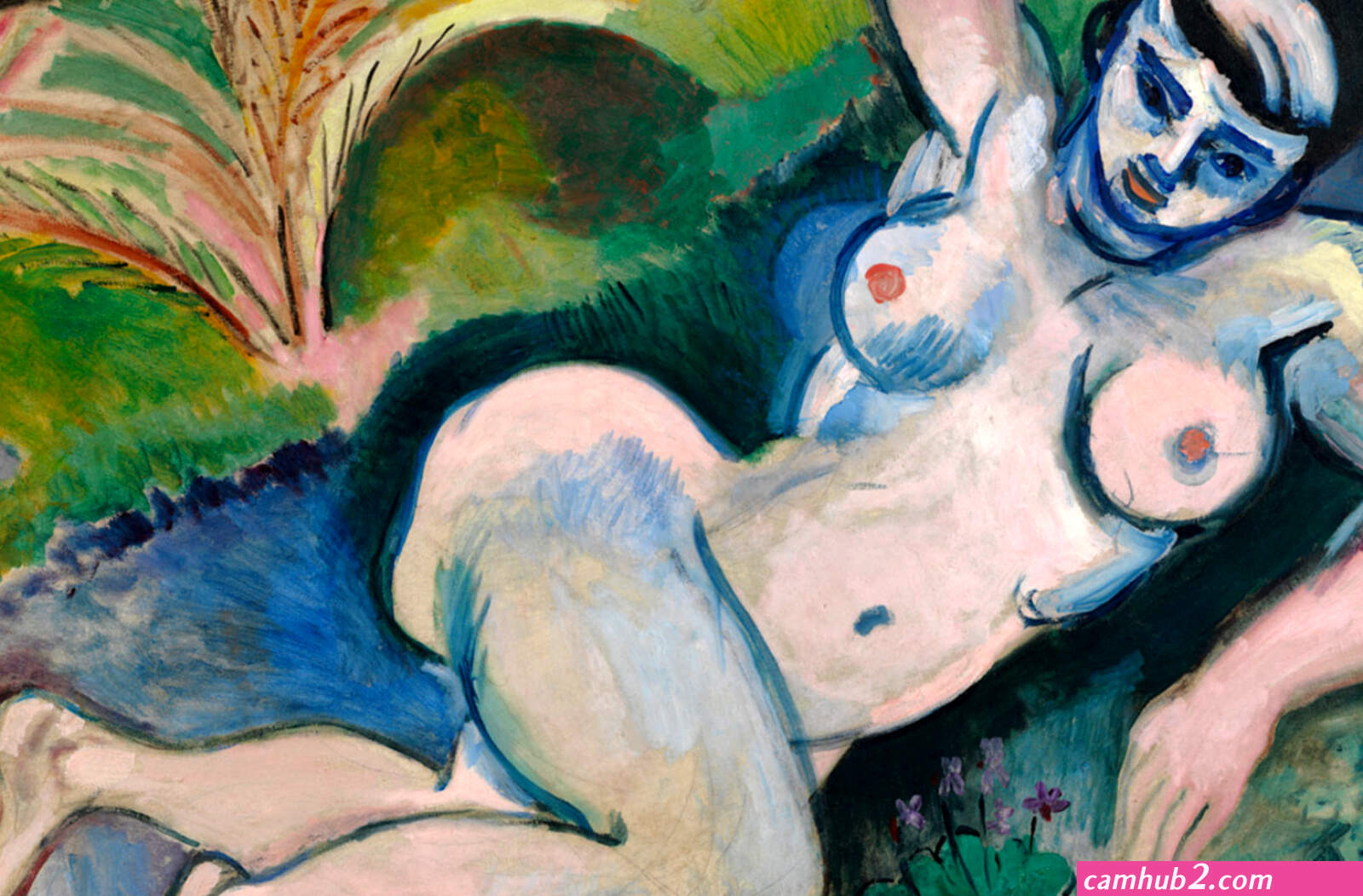
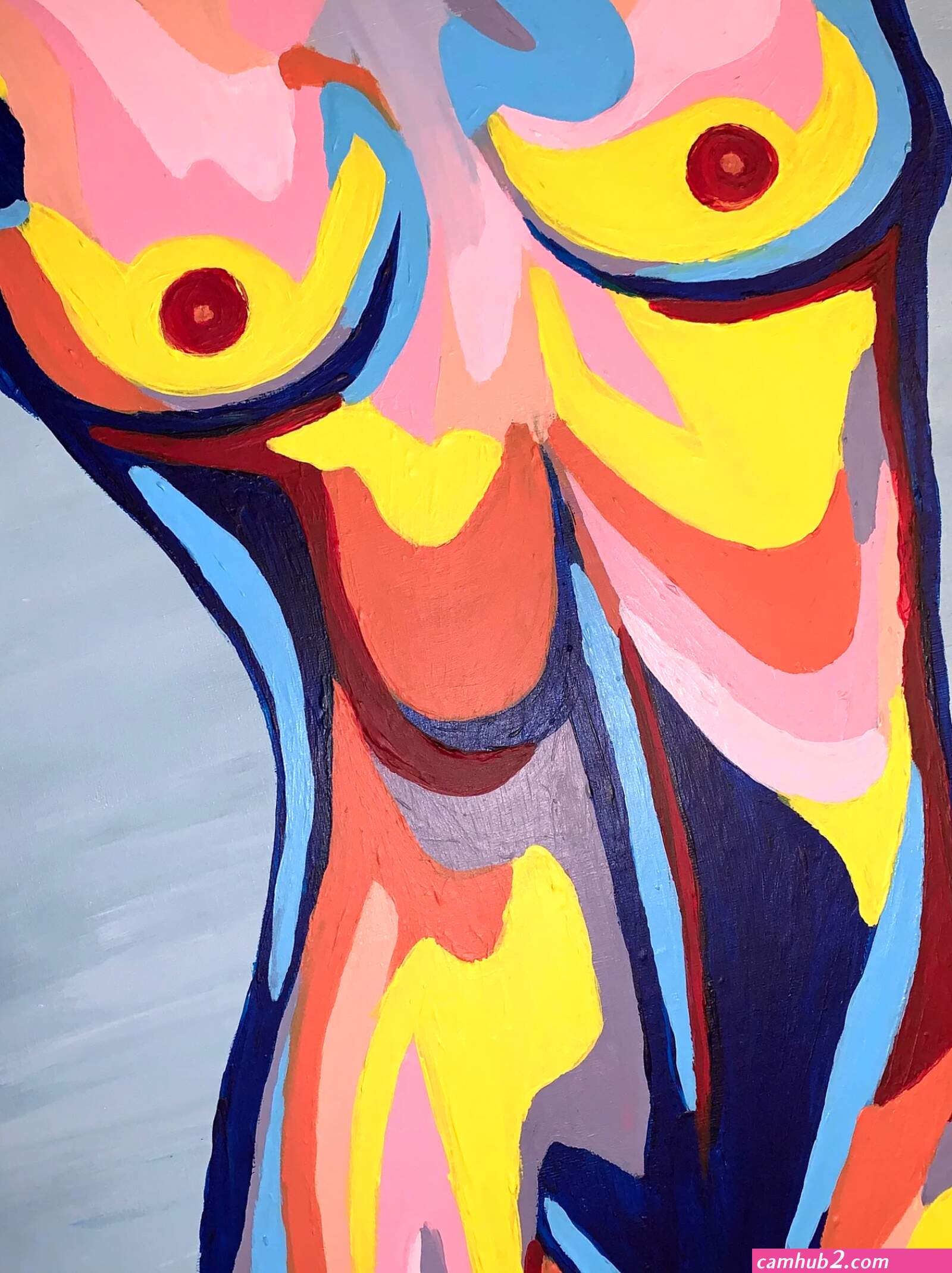
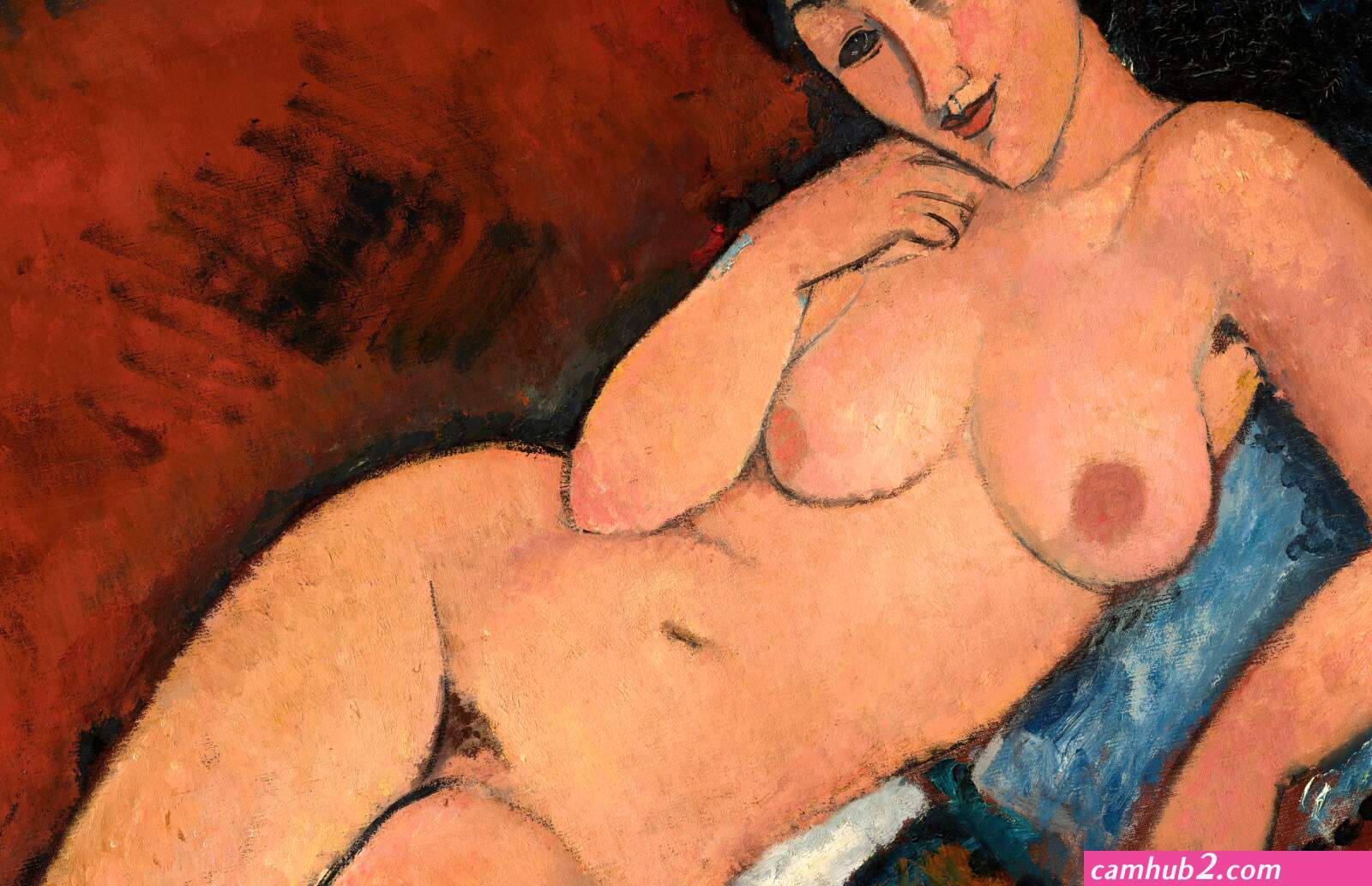
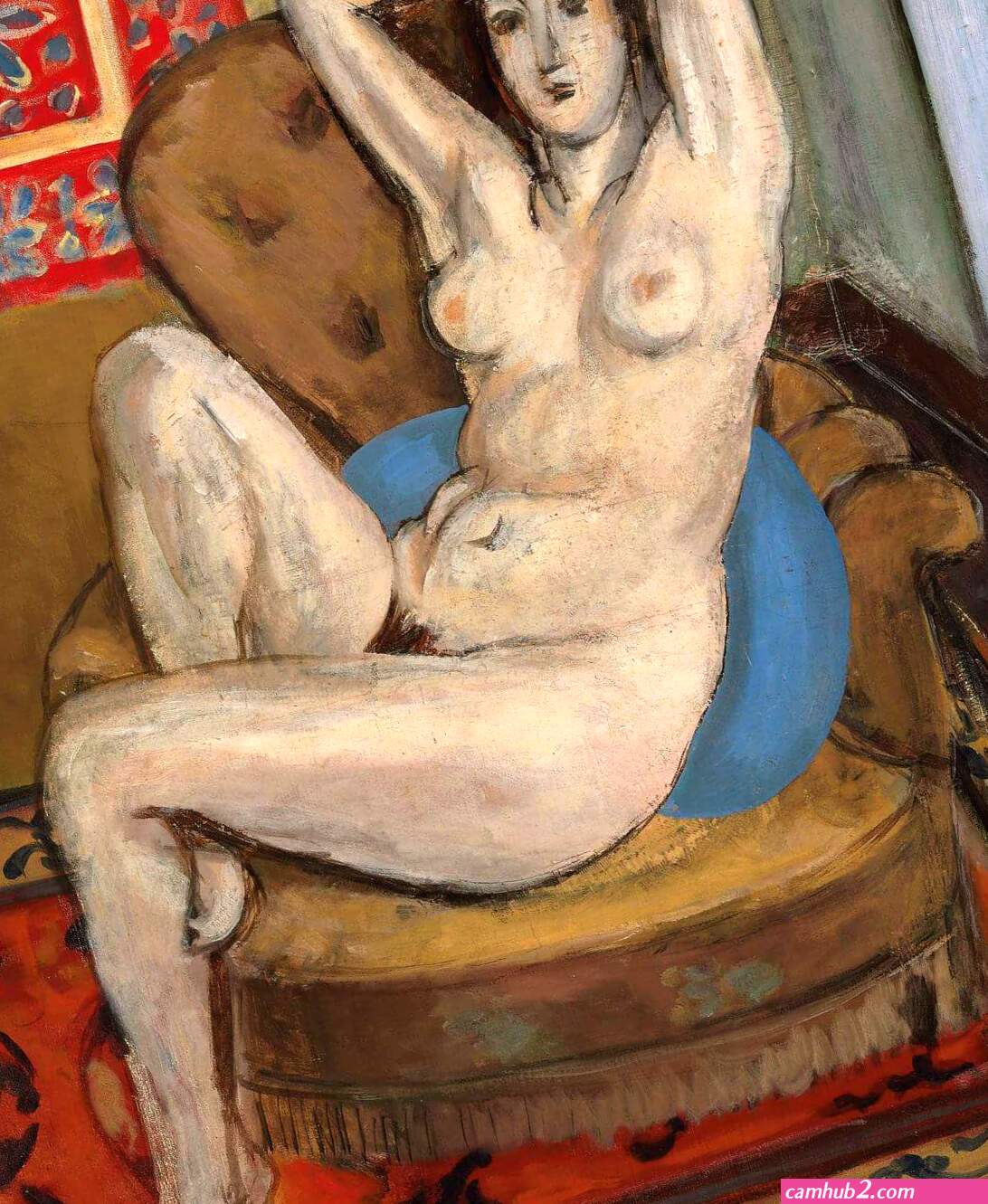
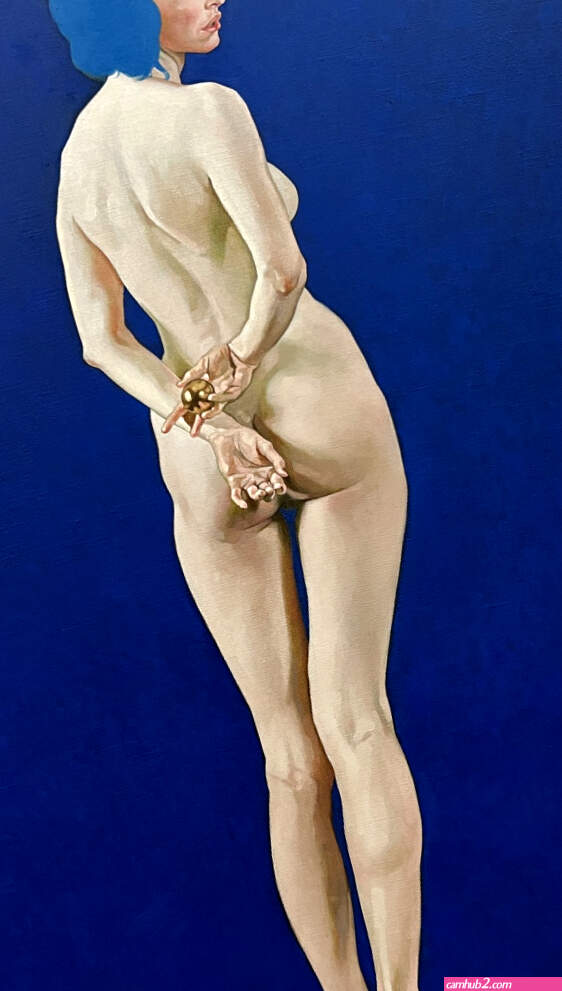
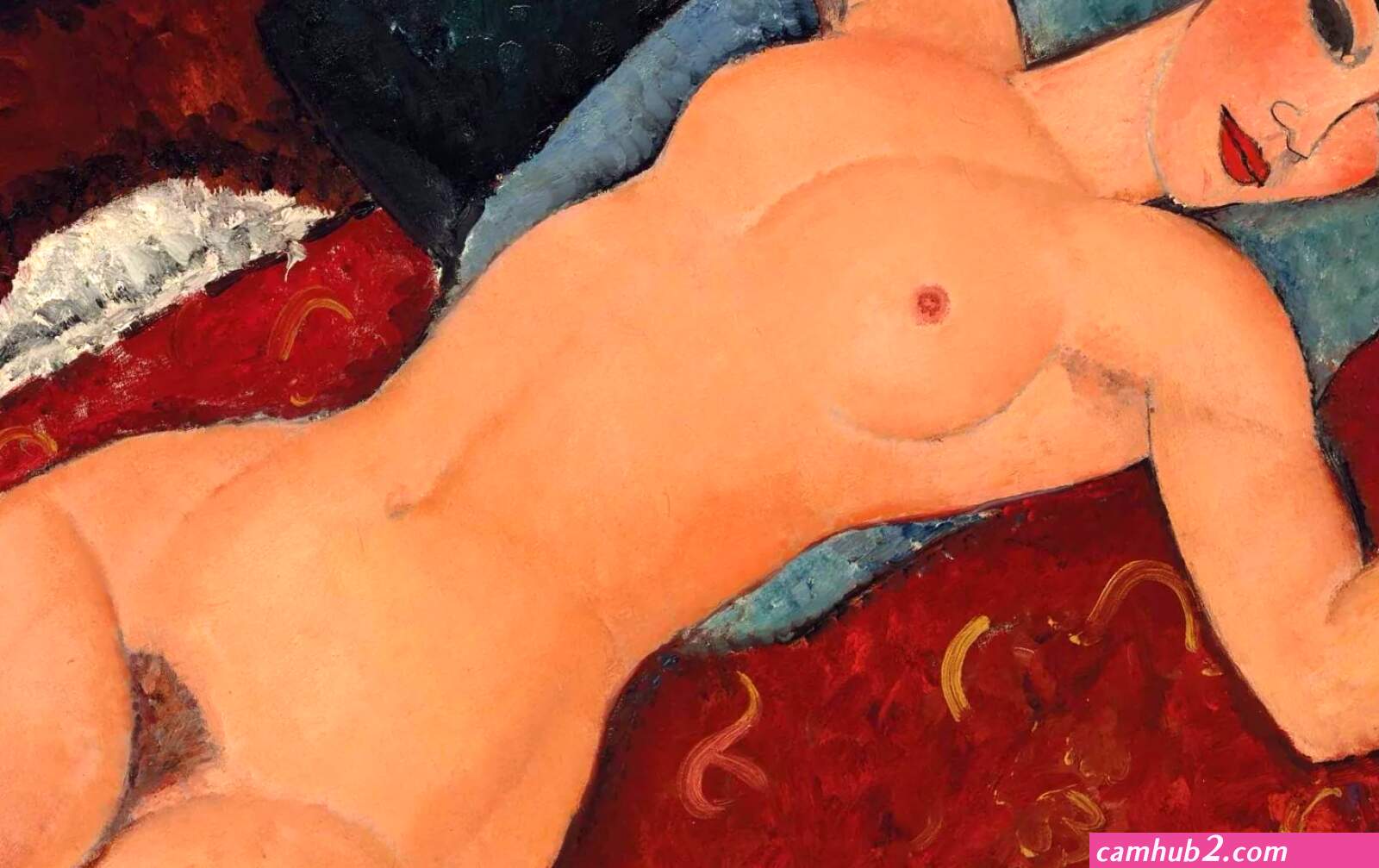
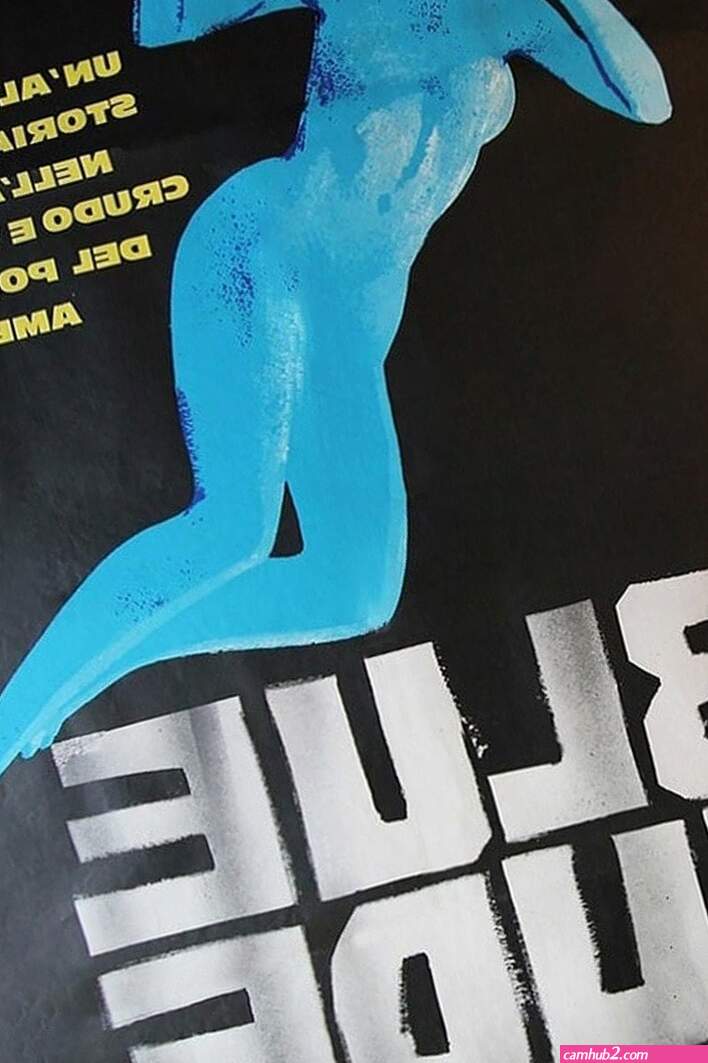
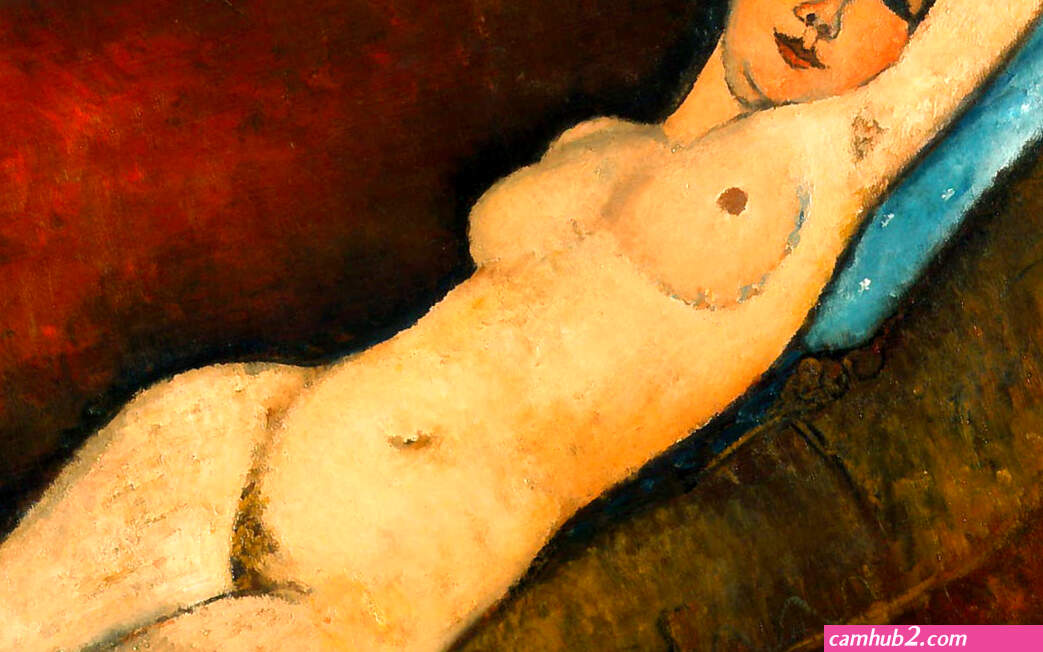
Blue Nude is one of Pablo Picasso’s master piece in his early years. It was painted in 1902 and after one of his close friend tragically died, he mourned over it for a long time and was in a depressive mode. It is one of Picasso’s paintings during his and has without a doubt proved Picasso’s talent on highlighting the deepest emotions while using only one color to effectively express it.
Blue Nude has splendidly made utilization of the wonderful mix of surfaces to make it One of Pablo Picasso’s most popular masterpieces. Even during Picasso was swamped with depression, he was still able to use it to his advantage to come up with a piece that is still clamored by many art aficionados at this time.
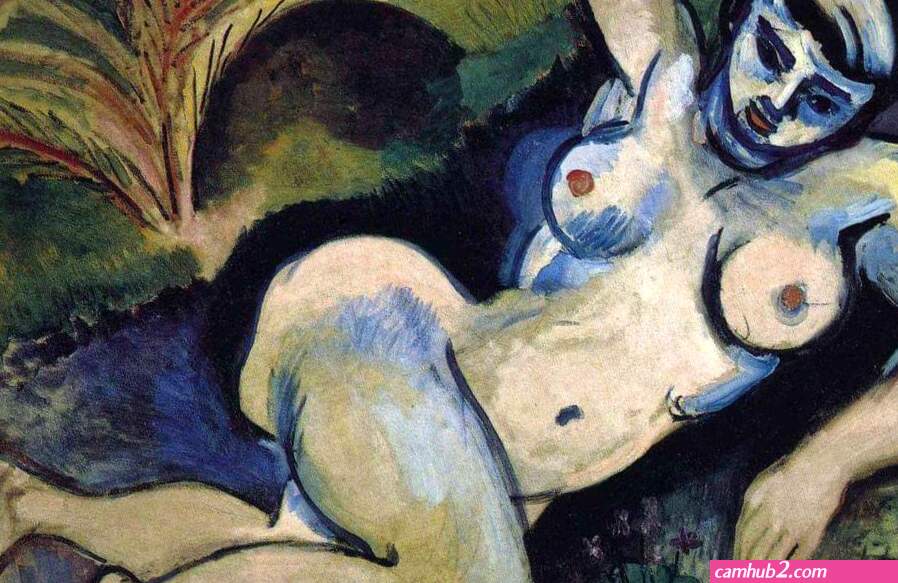
Matisse was working on a sculpture, Reclining Nude I, when he accidentally damaged the piece. Before repairing it, he painted it in blue against a background of palm fronds. The nude is hard and angular, both a tribute to and to the sculpture Matisse saw in Algeria. She is also a deliberate response to nudes seen in the Paris Salon – ugly and hard rather than soft and pretty. This was the last Matisse painting bought by Leo and Gertrude Stein.
Blue Nude seems to have angered a lot of people. After all, it was burned in effigy when the 1913 Armory Show moved to Chicago, a place that should have appreciated what Carl Sandburg called “broad shoulders” and other exaggerations of the flesh.
Some art critics relate Blue Nude to one of Gauguin’s . The reason that it is easy to see similarities in these two pieces is not only because they are both of nude women but because of their use of rich colors and some dark outlines. Both pieces are somewhat rustic and also simple. Matisse has used a more sketch like stroke and has included more detail though some is also abstract like Matisse’s.