Serg
Serg
Gallery
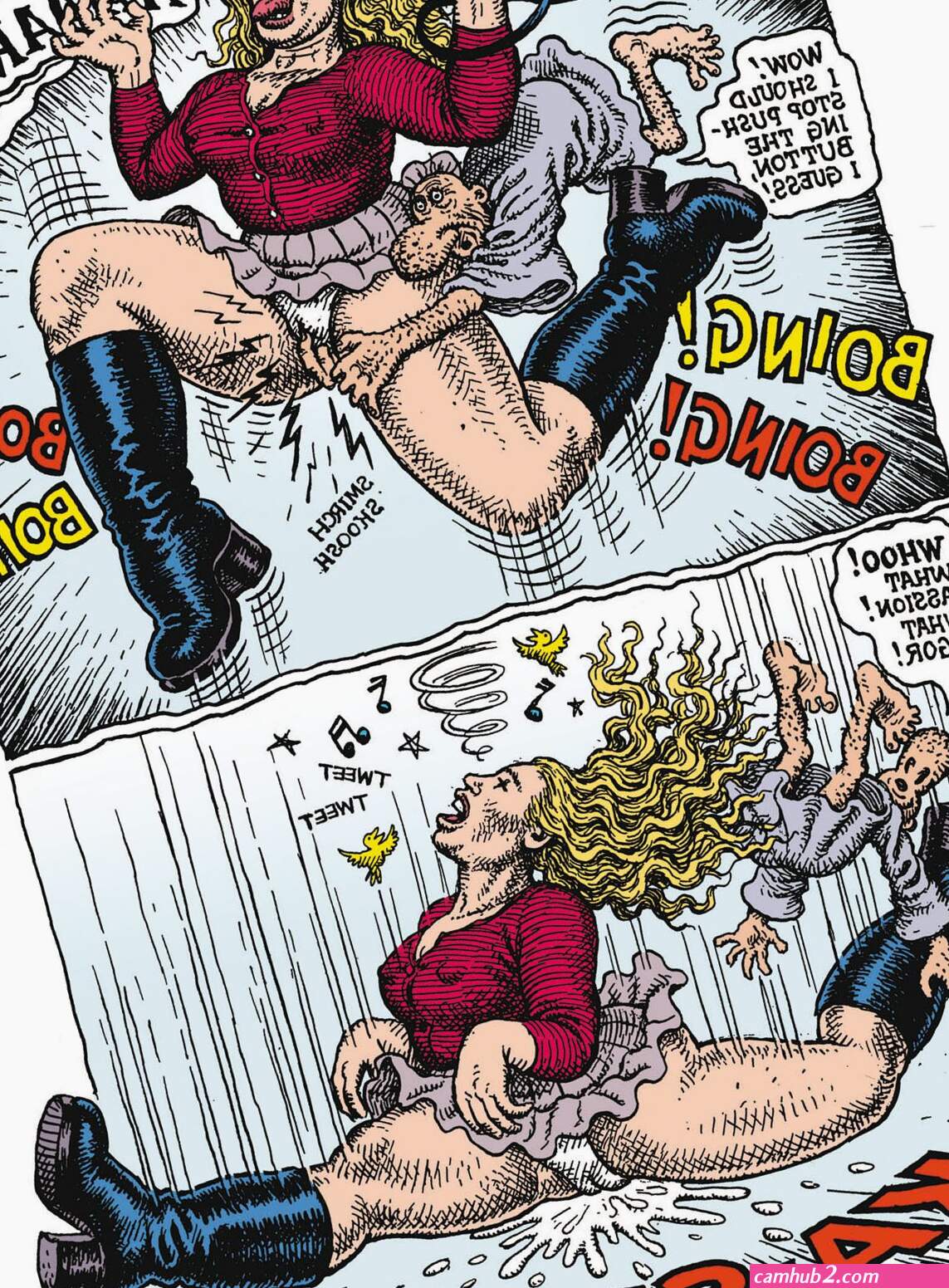

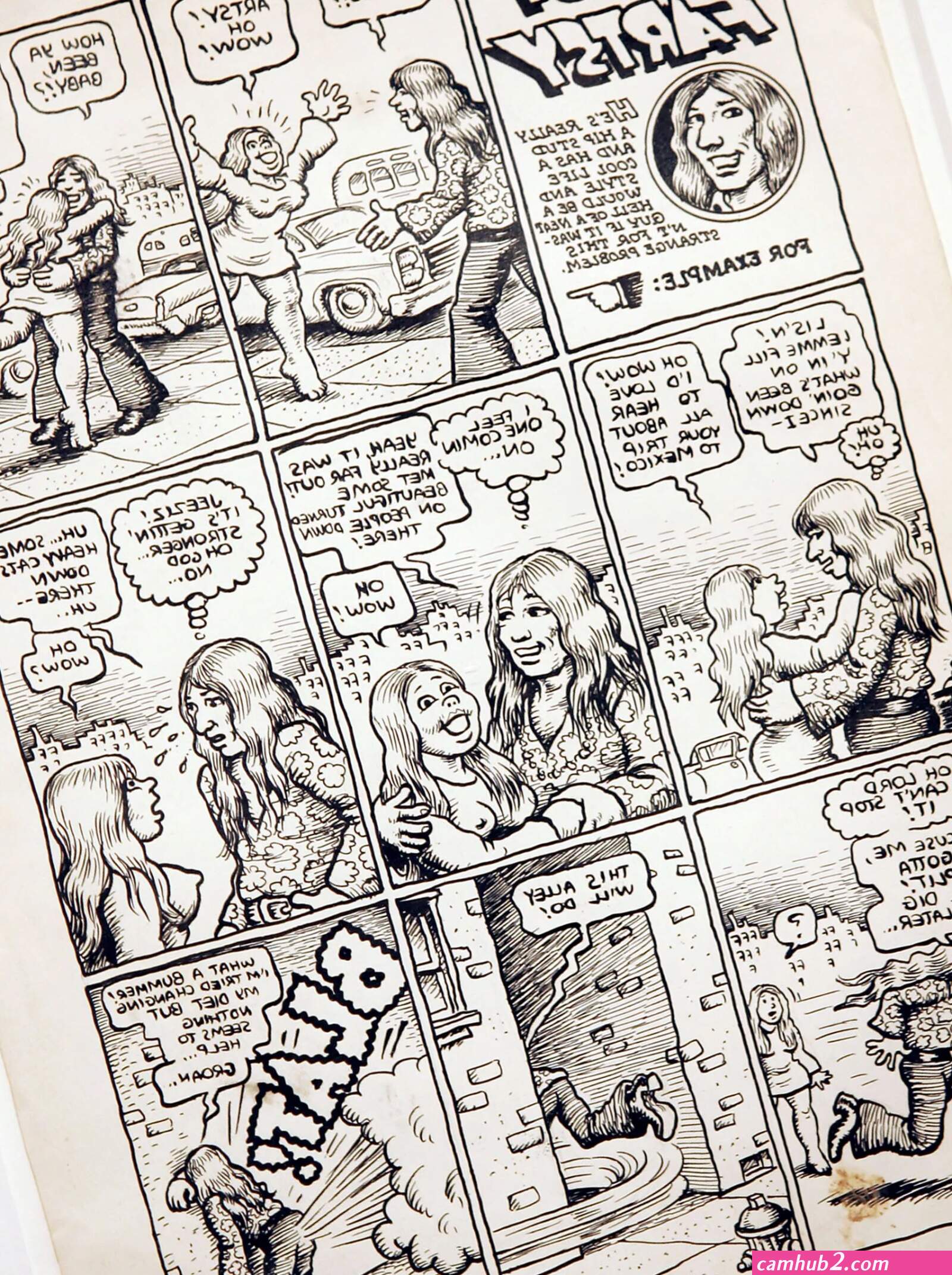
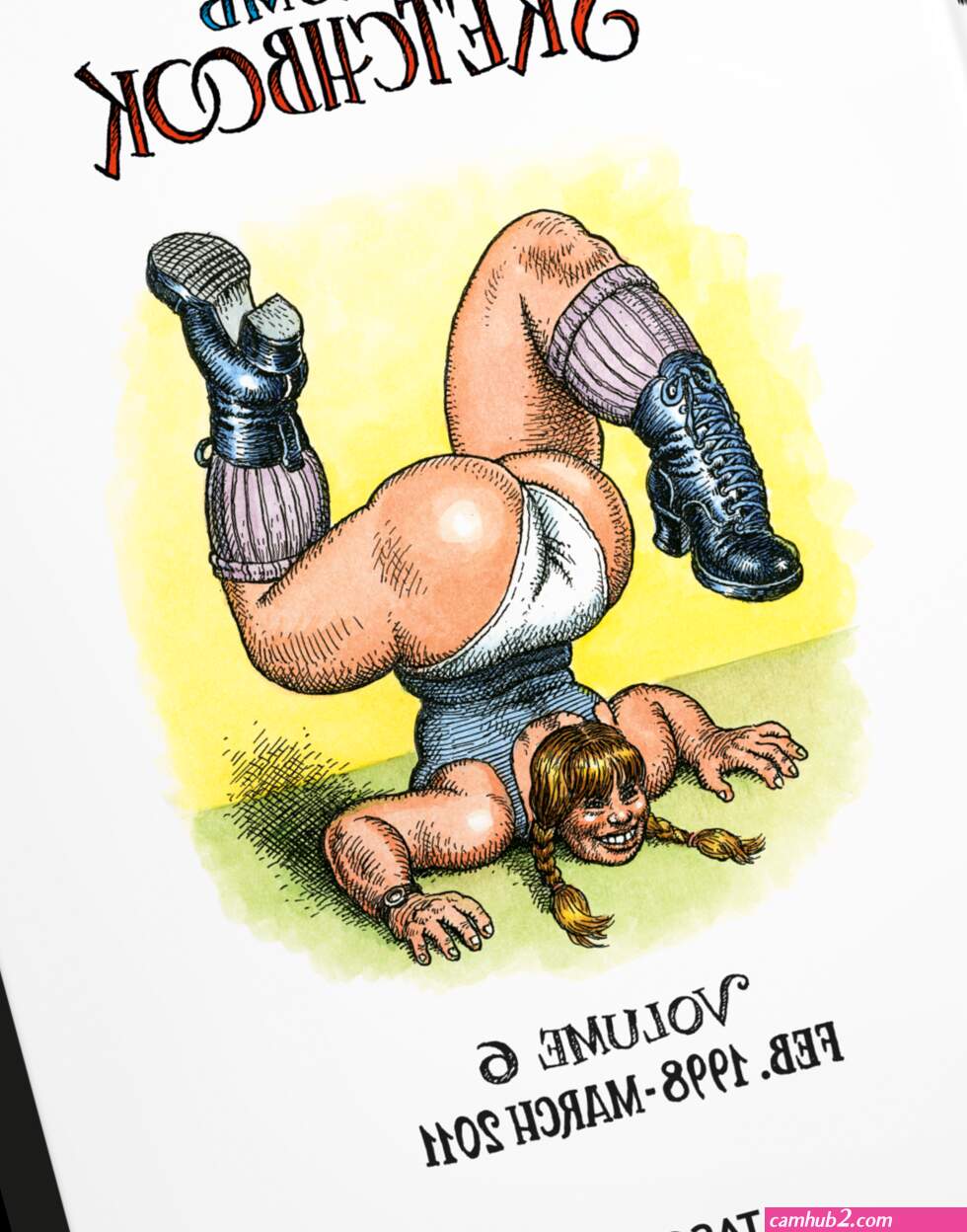
Weirdo featured one actual new character-based series by Crumb, titled ‘Mode O’Day and Doggo’. Launched in issue #9 (Winter 1983), it stars an ambitious but bitchy woman, Mode O’Day. The stories are set in a strange world where humans and anthropomorphic animals live together. Mode’s confidential advisor is Doggo, a canine-faced loner who can be described as a literal “dirty dog”. He leads a sleazy existence, drinking booze and watching porn. Although Mode looks down on him, he is the only person she can trust and boss around for personal gain. Doggo’s best friend is a pseudo-intellectual porpoise, Porpy, who is even geekier than him. In most episodes, Mode tries to move up in society with the help of Doggo, but utterly fails.
Twice Crumb was approached to adapt his comic story ‘Whiteman Meets Bigfoot’ into a film. In 1988, he agreed to an offer by porn producers the Mitchell Brothers. Crumb and Terry Zwigoff adapted the story into a screenplay, ‘Sassy’, while Crumb designed promotional artwork. In the end, the project fell through because no producer believed in it. Still, it wasn’t a total waste of time, as Crumb claimed to have learned more about story structure, which helped him write tighter comic scripts.
Legacy and influence Robert Crumb remains a towering figure in comics. He influenced countless adult artists in many different genres, such as underground comix, alternative comics, porn comics, and autobiographical comics. He proved that the medium could be used to discuss any possible topic, without holding oneself back. Regardless of the continuous controversy that surrounds his work, he is still respected as one of the most important and influential comic artists of the second half of the 20th century. A “grand old man” of the art, whose stature is such that numerous publishers have used illustrations by Crumb to boost sales. Like Robert Storr once wrote in ‘s ‘The Life and Times of R. Crumb’ (1998): “Crumb’s triumph is that of the nerd who ended up having more fun than the cool kids – even if it was mostly in his head.”